

Why Brand Activations Are Going Above and Beyond


Brand activations used to be simple. A booth, a product display, maybe a few branded giveaways. Today, that approach no longer captures attention. In an era dominated by social media and experience-driven audiences, brands are going far beyond traditional marketing and creating immersive environments that people remember, share, and talk about.
The shift is clear. Modern activations are no longer just about showing a product. They are about building an entire world around it.
Brands now treat activations like temporary installations that combine art, technology, storytelling, and architecture. Lighting, sound, scent, and interactive elements are carefully designed to create emotional engagement. Instead of simply seeing a brand, audiences experience it.
A powerful example of this approach was Rivian's activation during Art Basel Miami Beach 2025. The electric vehicle company created a multi-sensory exhibition called "Rewilding the Future" in Collins Park. The experience invited visitors to engage with the brand through sight, scent, and touch, exploring how natural landscapes inspire Rivian's design philosophy.
Guests could interact with color installations inspired by the aurora borealis, experiment with digital projections that changed the color of vehicles, and even explore scent compositions designed to evoke forests, canyons, and alpine terrain.
The installation also featured a dramatic light environment where lasers and atmospheric haze created shifting bands of teal and violet light around a Rivian vehicle on the beach, turning the car into the centerpiece of an immersive art installation.
What made the activation stand out was not just the visuals, but the scale of production behind it. Large technical rigs, lighting systems, and environmental design transformed the space into a fully produced sensory environment rather than a simple product showcase.
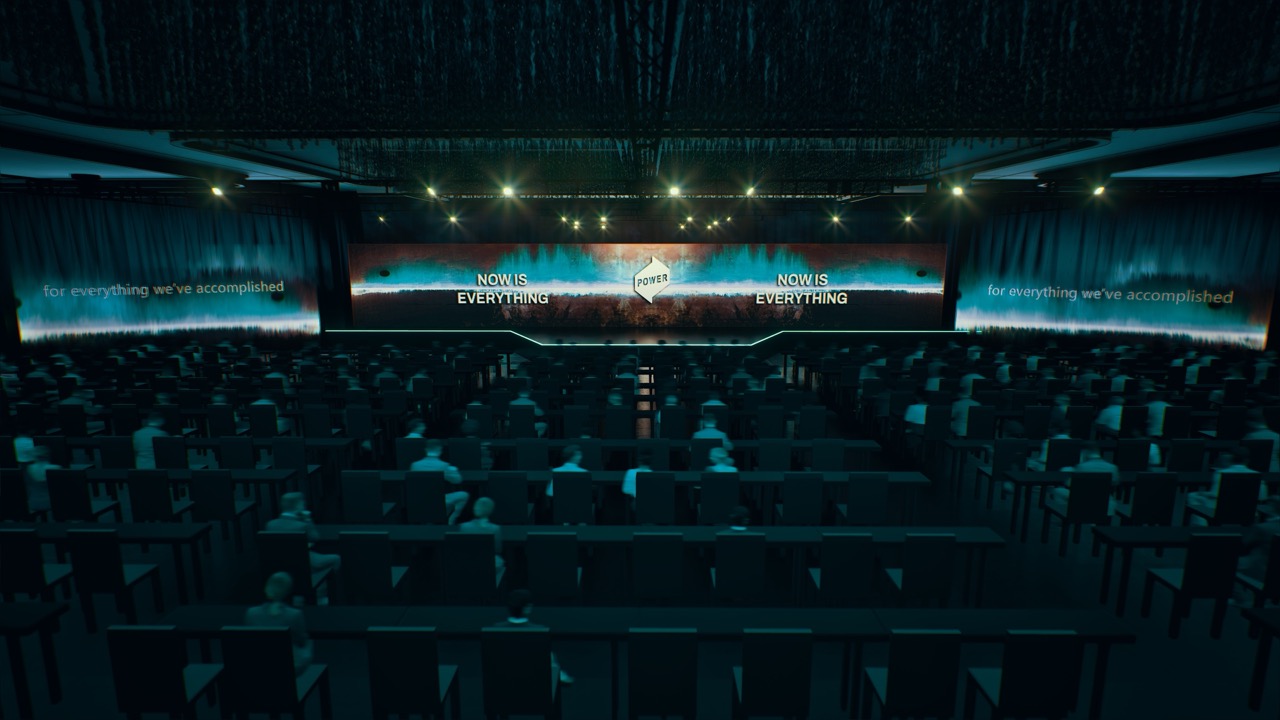
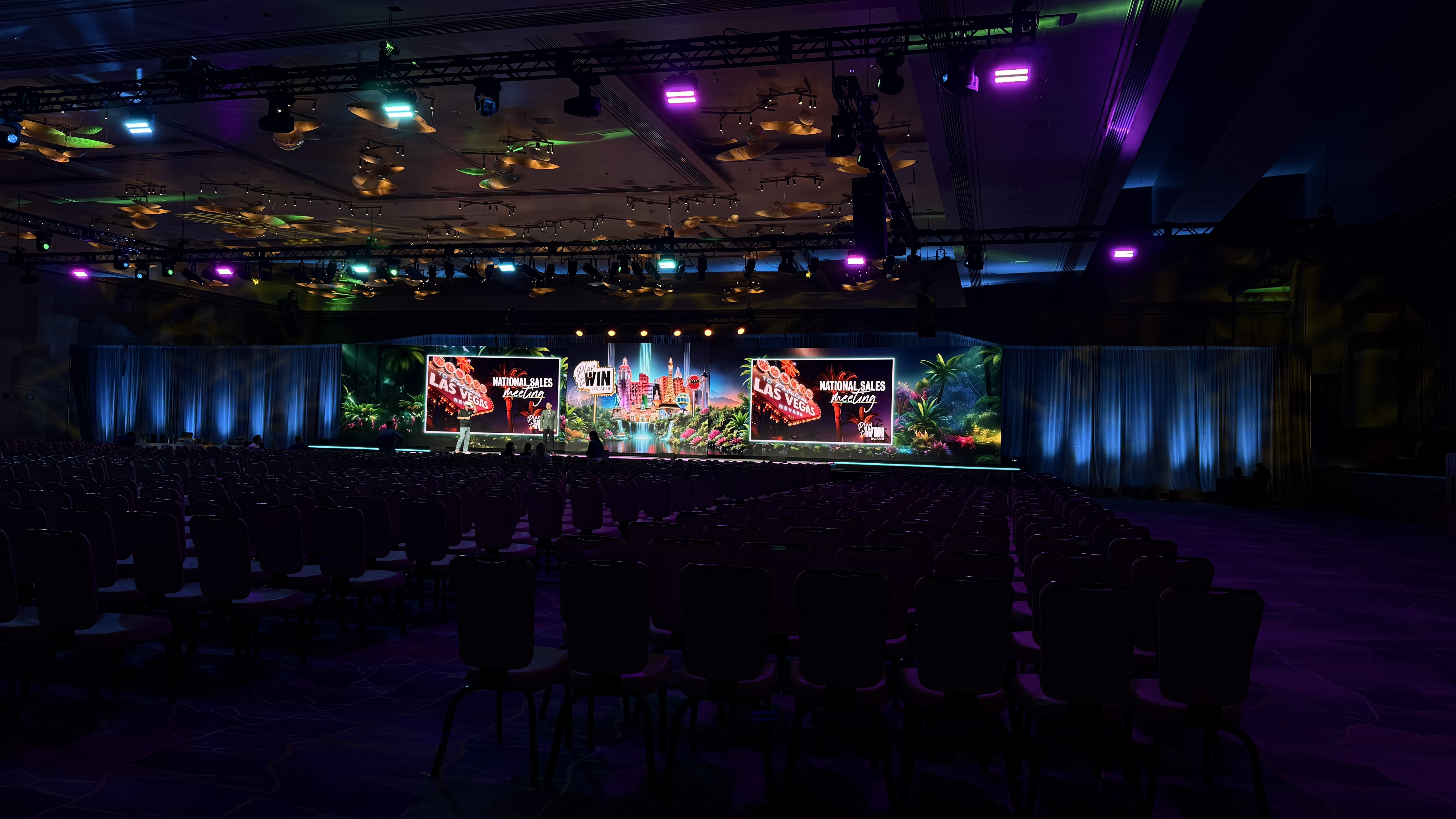
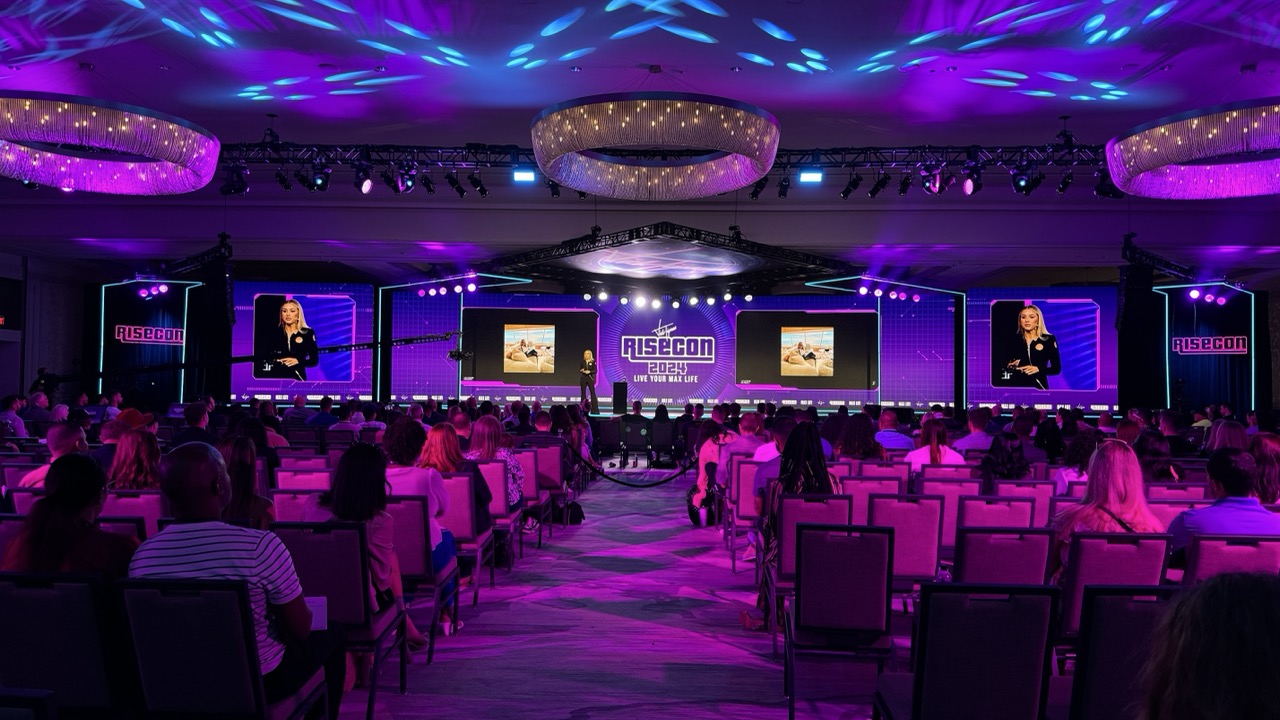
This is the direction brand activations are moving. They are becoming closer to live productions than marketing displays. Companies are investing in stage design, scenic builds, immersive lighting, and interactive technology to create experiences that audiences want to explore.
There are three main reasons driving this shift.
First, attention is harder to capture. With constant digital noise, brands need experiences that feel memorable and immersive to stand out.
Second, social media rewards spectacle. A striking installation or sensory experience becomes instantly shareable content, extending the reach of the activation far beyond the physical event.
Third, experiences create emotional connection. When people walk through a space, touch materials, interact with technology, and feel immersed in a story, they build a stronger relationship with the brand.
Events like Art Basel have become the perfect testing ground for this evolution. Brands are competing not just for visibility, but for cultural relevance. The result is activations that feel more like art exhibitions or live productions than traditional marketing.
The future of brand activations will likely continue pushing this boundary. Instead of asking how to display a product, brands are asking a bigger question.
How do we build an experience people will never forget?
Related Articles



EVERLAST
PRODUCTIONS

