

What Clients Don't See: Everything That Happens Behind the Scenes of a Large-Scale Event

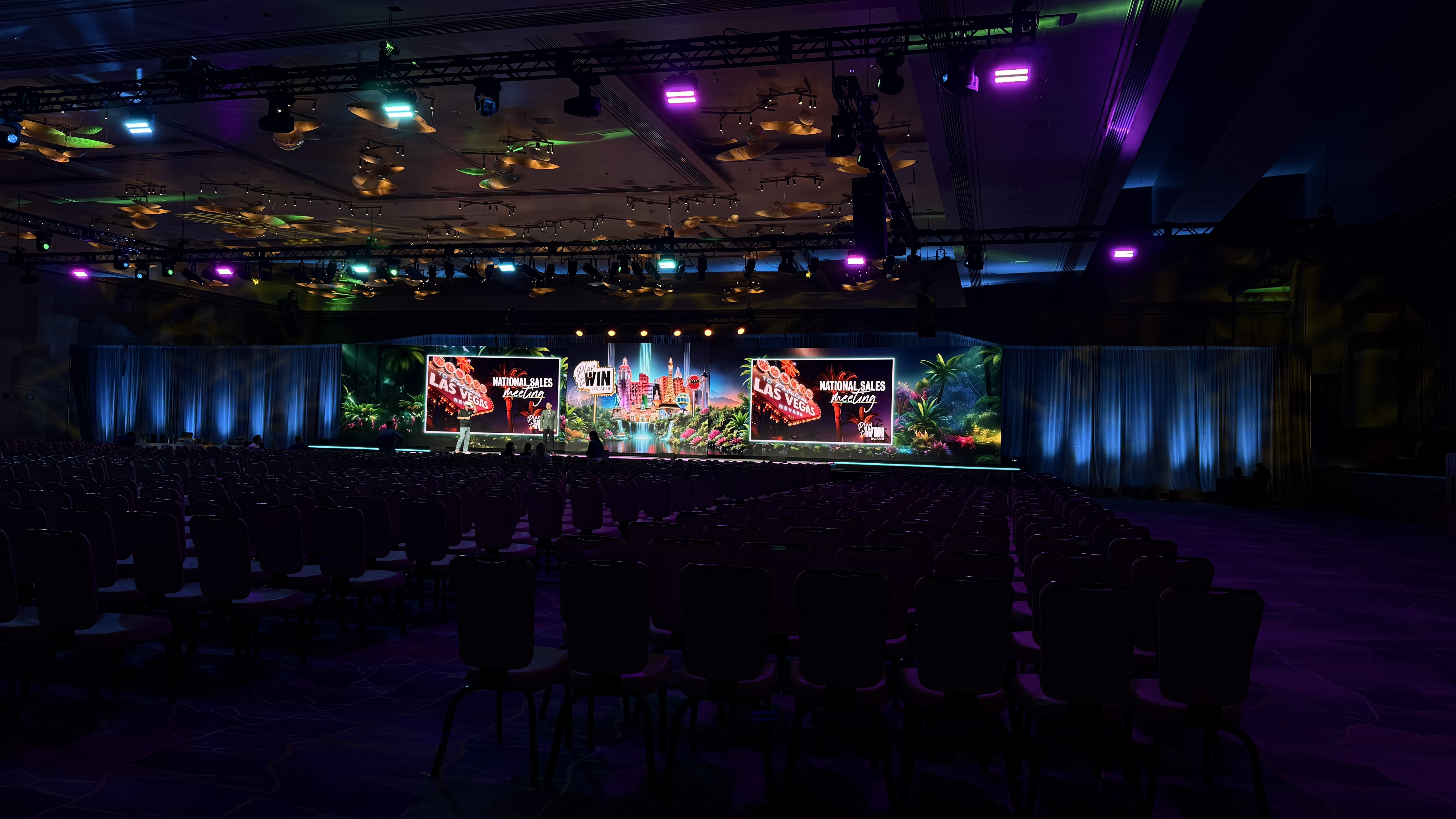
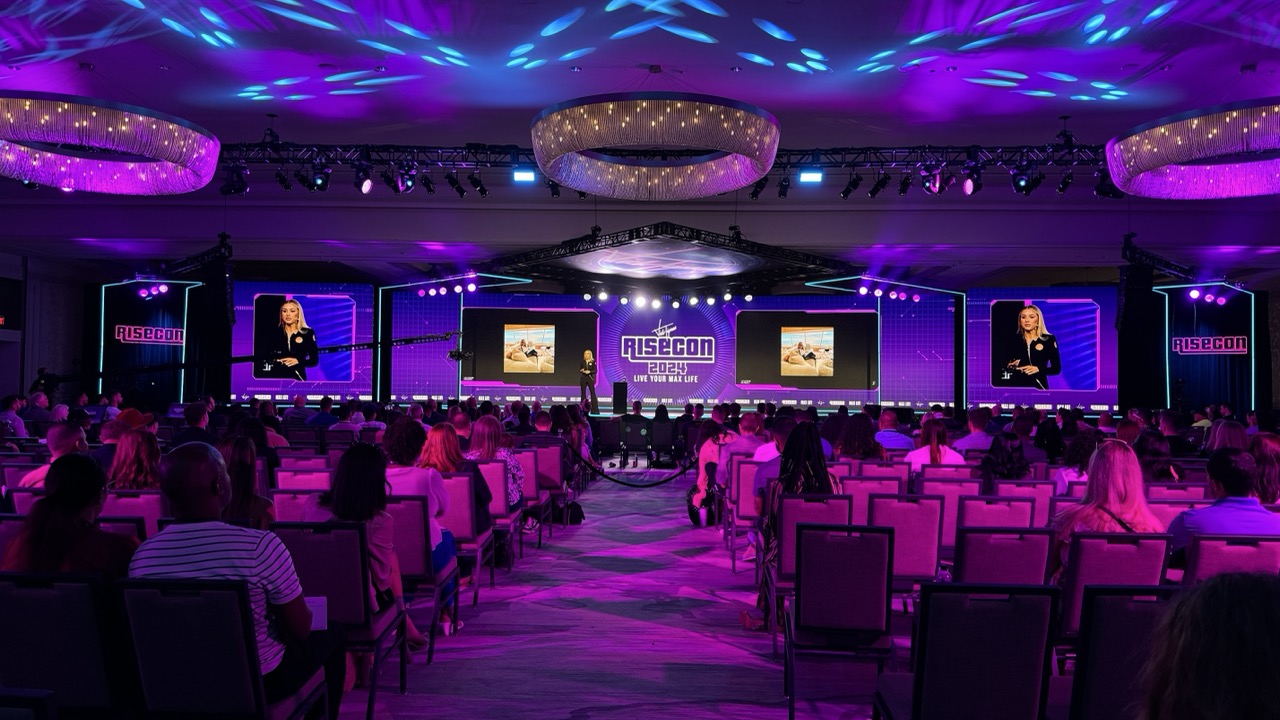
When guests walk into a beautifully produced event, everything feels effortless. The lights come up on cue, the stage looks flawless, the screens are perfectly timed with the speaker, and the room feels alive with energy. But what most people don't see is the complex machine working behind the scenes to make those moments possible.
Large-scale events are the result of weeks and sometimes months of planning, coordination, and technical preparation. Long before the first guest arrives, teams design the experience from the ground up. Creative directors develop the visual concept, while producers map out the run of show down to the second. Technical teams design lighting plots, LED screen layouts, and audio systems to ensure every seat in the room has the same immersive experience.
Once planning moves into production, warehouses become command centers. Scenic pieces are fabricated, LED walls are tested, cables are labeled, and gear is prepared for transport. Equipment is loaded onto trucks with precision, because the order it comes off the truck often determines the efficiency of the build.
Load-in days are where the real choreography begins. Crews arrive before sunrise to begin rigging trusses from the ceiling, building stages, installing scenic elements, and running thousands of feet of cable. Lighting designers focus beams and program cues. Video engineers map content across massive LED canvases. Audio teams tune systems so that every word spoken on stage is crystal clear.
Then come rehearsals. Speakers practice their timing, show callers run cue sequences, and technicians adjust lighting, sound, and visuals until everything aligns perfectly. Every transition, every walk-on, every video roll is carefully coordinated.
During the event itself, an entire production team operates behind the curtain. Show callers cue lighting and video, stage managers coordinate presenters, and technicians monitor every system in real time. The goal is simple. Ensure that the audience never notices the complexity behind the experience.
When the final applause fades and the guests leave, the work is not over. Crews move immediately into strike, dismantling stages, packing equipment, and loading trucks through the night so venues can return to normal by morning.
To the audience, the event may last a few hours. Behind the scenes, it is the result of hundreds of hours of preparation and the collaboration of dozens, sometimes hundreds, of specialists working in perfect sync.
The magic of live events is not just what people see on stage. It is the invisible precision, creativity, and teamwork that make it all possible.
Related Articles



EVERLAST
PRODUCTIONS

